
Winter weather can be tough on Minnesota roofs — especially when snow and ice build up, leading to leaks, moisture damage, and costly repairs. One of the most common winter roofing problems homeowners face is ice damming, which can allow water to back up under shingles and enter your home. In this guide, we share key steps you can take to prevent ice dams and keep your roof performing through cold months.
What Are Ice Dams and Why Do They Cause Roof Leaks?
Ice dams form when heat from inside your home warms the roof, melting snow around the peak. That melted snow runs down toward the colder roof edge and refreezes, creating a ridge of ice that blocks proper drainage. When this happens, water can get trapped behind the ice and work its way under shingles, leading to leaks and interior damage.
Step 1: Improve Attic Insulation & Ventilation
One of the most effective ways to prevent ice dams is proper insulation and ventilation in your attic. When warm air escapes into the attic, it heats the roof deck and promotes uneven snow melt. By insulating your attic and ensuring adequate airflow, you keep the roof surface colder and reduce the chance of ice dam formation.
Step 2: Clear Gutters & Downspouts
Clogged gutters can prevent water from draining properly, increasing the likelihood that meltwater will freeze at the roof edge. Before winter arrives, make sure gutters and downspouts are clean so melting snow can flow away from your home.
Step 3: Use a Roof Rake After Heavy Snowfalls
A roof rake allows you to remove excess snow from the lower part of the roof without climbing up. This reduces snow depth and the amount of water that could refreeze into ice dams. A quick snow removal after storms goes a long way in preventing buildup.
Step 4: Consider Ice & Water Shield Installation
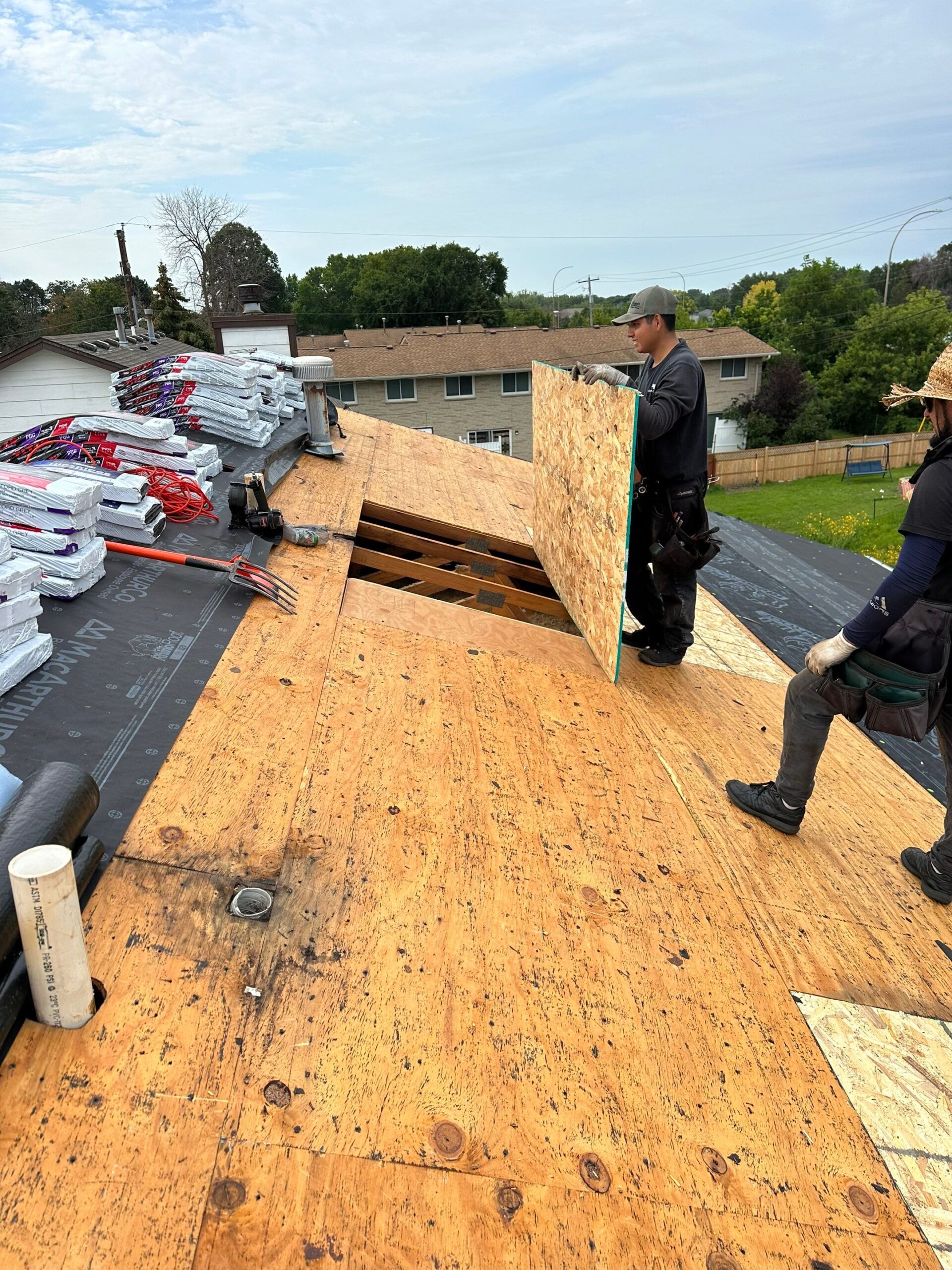
During a roof replacement or major repair, ask your roofing contractor about installing an ice and water shield — a protective membrane beneath shingles that helps seal water out and prevents leaks caused by ice dams. This is one of the most proven ways to safeguard vulnerable areas of your roof.
Step 5: Schedule a Roof Inspection Early
If you’ve struggled with leaks or noticed signs of ice dams in past winters, it’s wise to have a professional roof inspection before the snow arrives. Boulder Creek Construction offers comprehensive inspections and roof repair services to identify weak spots, ensure proper flashing, and recommend improvements.
Ignoring early warning signs of roof leaks or ice dam formation can lead to bigger problems down the road. In many cases, small adjustments to attic insulation, ventilation, or roofing details can save you from costly water damage later.
Why Choose Boulder Creek Construction for Winter Roof Protection
Boulder Creek Construction has been voted one of the best roofing companies in the Elk River & Twin Cities area, with over 50 years of combined experience in roofing, siding, and exterior services. Whether you need repairs, roof replacement, or winter-ready upgrades, our team delivers quality workmanship you can trust. Contact us today to schedule an inspection or get a free estimate.
Frequently Asked Questions (FAQs)
1. What causes ice dams on roofs?
Ice dams are created when the upper part of a roof melts snow, which then refreezes at the colder eaves. This blocks the path of melting water and can cause leaks under shingles.
2. Can insulation really reduce ice dams?
Yes — improving attic insulation and ventilation helps keep the roof surface colder and reduces uneven snow melting that leads to ice dams.
3. Does Boulder Creek Construction repair winter roof leaks?
Absolutely. Boulder Creek Construction offers roof leak repair and winter roofing services to protect your home from ice dam damage and other cold-weather issues.
4. When should I schedule a roof inspection?
The best time for a roof inspection is before winter arrives — ideally in fall — to catch issues early and prevent ice dam formation.
5. What are signs I have an ice dam problem?
Look for icicles along the roof edge, water stains on ceilings or walls, frozen gutters, or melting snow near eaves — all possible indicators of ice dam formation.