Few things are more stressful for homeowners than discovering their home has been damaged after a severe storm. Whether the damage comes from high winds, hail, fallen tree limbs, or heavy rain, the questions usually begin immediately. Is the damage serious? Should an insurance claim be filed? Who should inspect the roof first? What happens if additional damage is discovered later?
These questions are completely normal, and they are one of the biggest reasons many homeowners seek storm damage claim assistance after severe weather. The claims process can feel overwhelming, especially if it is your first time dealing with property damage. Understanding what happens after the storm, what documentation is needed, and how contractors work alongside insurance companies can make the entire process much easier to navigate while helping homeowners make informed decisions from the beginning.
The First Step Is Evaluating the Damage Safely
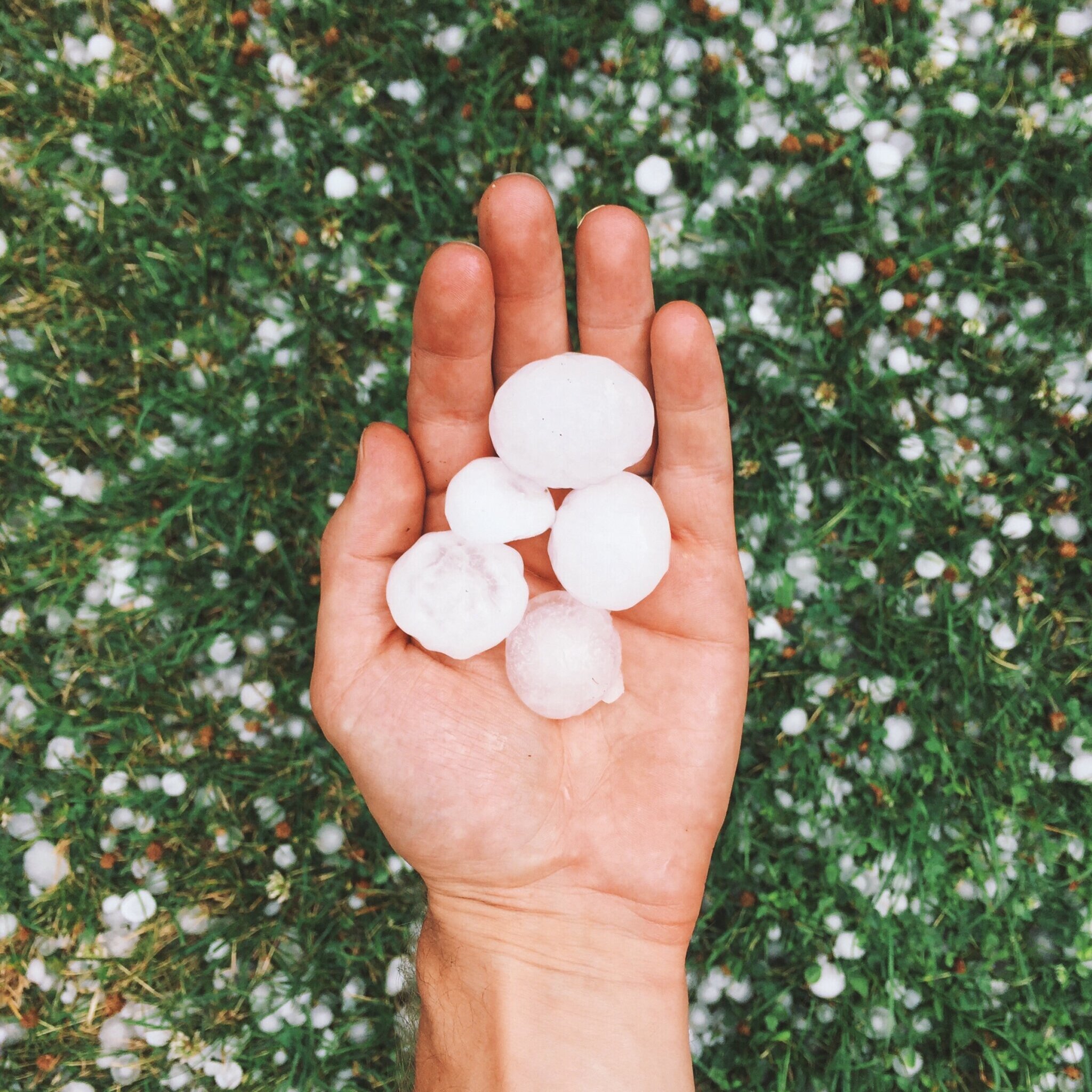
After a storm passes, it is natural to want to inspect the property immediately. While homeowners can often identify obvious problems such as missing shingles or fallen branches, many types of storm damage are much less visible from the ground. Hail can bruise shingles without removing them, high winds can loosen roofing materials without creating immediate leaks, and siding or flashing damage may not become apparent until weeks or even months later.
Rather than climbing onto the roof or attempting to perform a detailed inspection yourself, the safest approach is to begin with a professional evaluation. An experienced contractor understands what insurance companies typically look for during storm-related claims and can identify damage that may otherwise go unnoticed. Early inspections also create valuable documentation that can be helpful if an insurance claim is filed.
Homeowners looking for storm damage claim assistance in Elk River MN often begin with this inspection because it provides a clear understanding of the property’s condition before any repair decisions are made.
Documentation Plays a Bigger Role Than Many Homeowners Realize
One of the most important parts of the insurance process happens before any repairs begin. Thorough documentation helps establish the extent of the damage and provides information that insurance adjusters use when evaluating a claim.
During this stage, contractors often document:
- roof damage
- siding damage
- gutter damage
- window damage
- exterior elevations
- affected landscaping
- visible water intrusion
Photographs, written observations, measurements, and inspection reports all contribute to building a complete picture of the storm’s impact.
Although every insurance policy is different, having detailed documentation available from the beginning often helps reduce confusion later in the claims process and allows conversations with adjusters to be based on objective information rather than assumptions.
Understanding the Insurance Process Helps Reduce Stress
For many homeowners, the insurance claim itself feels more intimidating than the repairs. There are phone calls to make, paperwork to complete, inspections to schedule, and questions about coverage that may not always have straightforward answers.
While contractors cannot make coverage decisions for insurance companies, experienced restoration professionals often help homeowners understand the repair process and provide the documentation needed throughout the claim. They may meet with insurance adjusters during inspections, explain repair recommendations, and answer questions about the scope of work being proposed.
| Stage | What Typically Happens |
| Initial inspection | Damage is documented and evaluated |
| Insurance claim filed | Homeowner contacts insurance provider |
| Adjuster inspection | Insurance company evaluates reported damage |
| Scope review | Repair recommendations are compared with findings |
| Project scheduling | Repairs begin after claim approval |
| Final completion | Repairs are completed and inspected |
Knowing what to expect at each stage often helps homeowners feel more confident throughout the process instead of feeling uncertain about what comes next.
Storm Damage Is Not Always Limited to the Roof
While roofing damage is often the first concern after severe weather, storms can affect multiple parts of a home’s exterior. Strong winds may loosen siding, damage gutters, or create openings around windows and trim that allow moisture to enter the building envelope. Even relatively small issues can become larger concerns if they are left unaddressed for an extended period.
A comprehensive inspection looks beyond the obvious damage to evaluate the property as a whole. Addressing all affected areas during the restoration process helps ensure repairs work together to restore the home’s exterior while reducing the likelihood of future issues related to water intrusion or weather exposure.
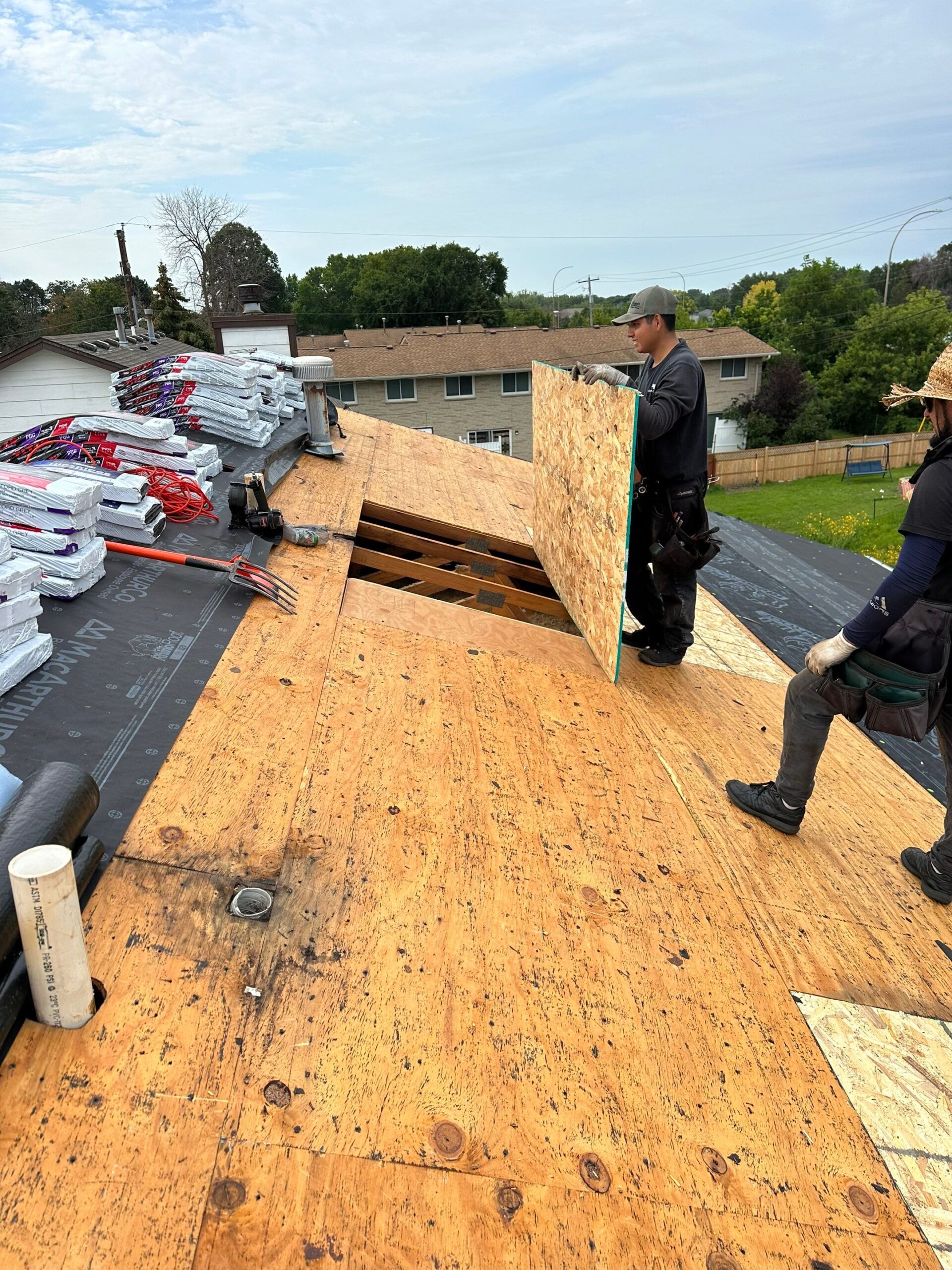
For homeowners who require additional exterior repairs after a storm, roofing and siding repairs often become part of a coordinated restoration plan rather than treating each repair as a separate project.
Choosing the Right Contractor Makes the Process Smoother
Not every contractor approaches storm restoration the same way. While quality workmanship is always important, communication becomes just as valuable during insurance-related projects. Homeowners benefit from working with professionals who explain the process clearly, provide timely updates, and help coordinate inspections without creating unnecessary confusion.
An experienced contractor also understands that storm restoration involves more than replacing damaged materials. It requires careful planning, accurate documentation, attention to detail, and the ability to work alongside multiple parties throughout the project. This level of coordination often helps projects move forward more efficiently while giving homeowners confidence that repairs are being completed correctly.
Choosing a contractor with experience in insurance restoration can make the entire process feel significantly more manageable during what is often a stressful time.
Acting Promptly Can Help Prevent Additional Damage
After a major storm, it can be tempting to wait and see if problems develop before scheduling an inspection. However, delaying repairs sometimes allows minor damage to become more extensive over time. Small openings created by wind or hail may eventually allow moisture into the roof system or wall assembly, leading to repairs that become more complicated than the original storm damage itself.
According to the Insurance Information Institute, homeowners should document damage promptly and take reasonable steps to prevent additional loss while the insurance claim is being processed.
Early inspections not only help identify storm-related damage, but they also provide homeowners with valuable information that supports both the repair process and any insurance discussions that may follow.
Storm Damage Claim Assistance Helps Homeowners Navigate the Unexpected
No homeowner hopes to deal with storm damage, but having the right support can make the experience far less overwhelming. Professional inspections, thorough documentation, and experienced guidance throughout the insurance process help homeowners understand their options while ensuring damage is properly evaluated before repairs begin.
Storm damage claim assistance is ultimately about providing clarity during an uncertain situation. By understanding the process, working with experienced professionals, and addressing damage promptly, homeowners can move from the initial shock of a storm toward restoring their property with confidence.